
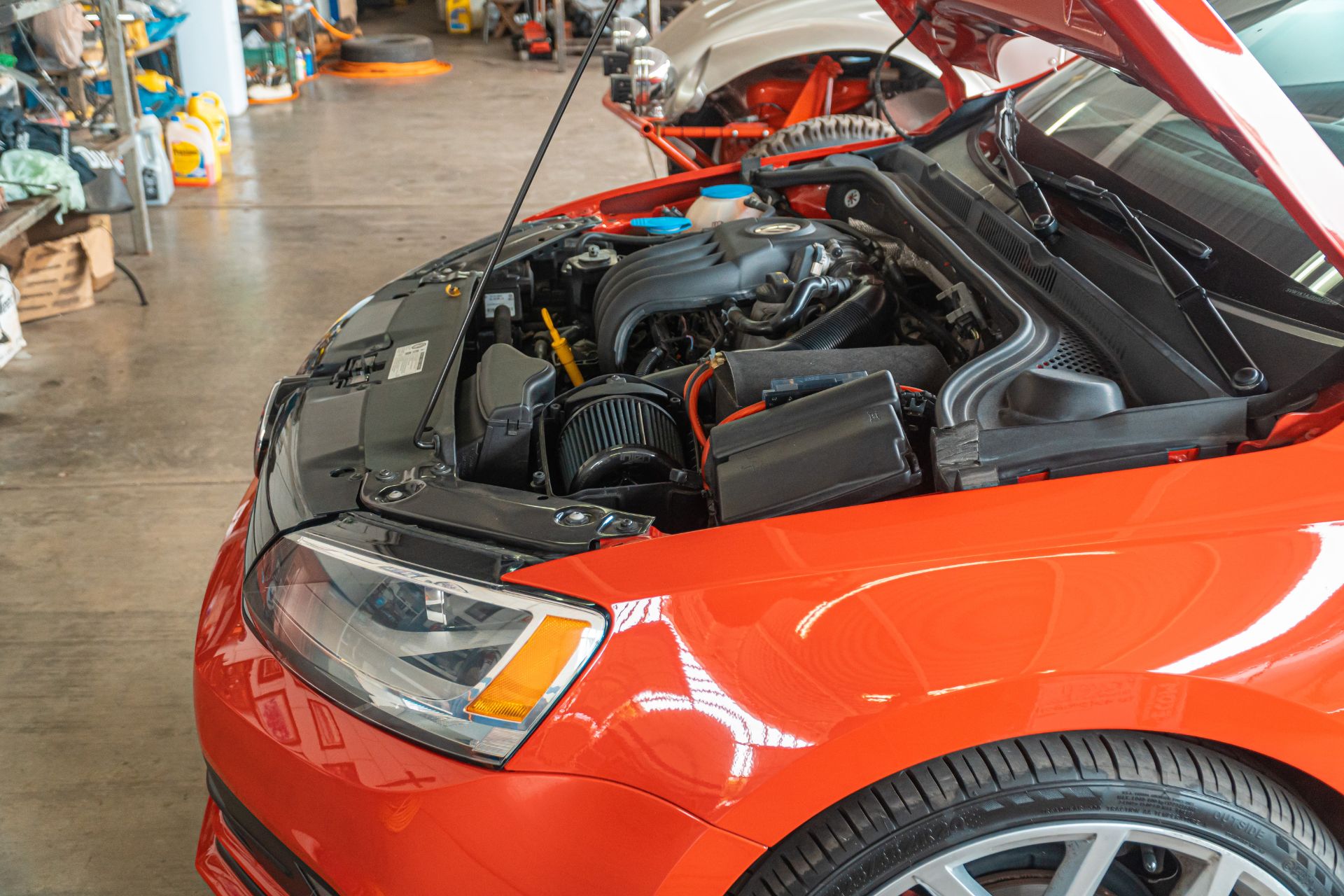
Car Engines are built to operate reliably under demanding conditions, but they do not remain spotless throughout their service life. Oil residue, dust, road grime, moisture, and other contaminants can gradually accumulate around the engine compartment. This naturally raises an important question for vehicle owners: do car engines need to be cleaned?
The short answer is that engine cleaning can be beneficial, but it is not something every vehicle requires on a fixed schedule. Unlike an oil change, coolant replacement, or air-filter service, there is no universal mileage interval for washing an engine. The need depends on the vehicle’s condition, the amount of contamination, the source of the dirt, and the way cleaning is performed.
A clean engine compartment can make leaks easier to identify, improve visibility during inspections, and help prevent heavy deposits from accumulating around important components. However, careless use of water, high-pressure equipment, or aggressive chemicals can create electrical and mechanical problems.
This guide examines when car engines should be cleaned, what benefits engine cleaning can provide, which methods are appropriate, and what mistakes vehicle owners should avoid.
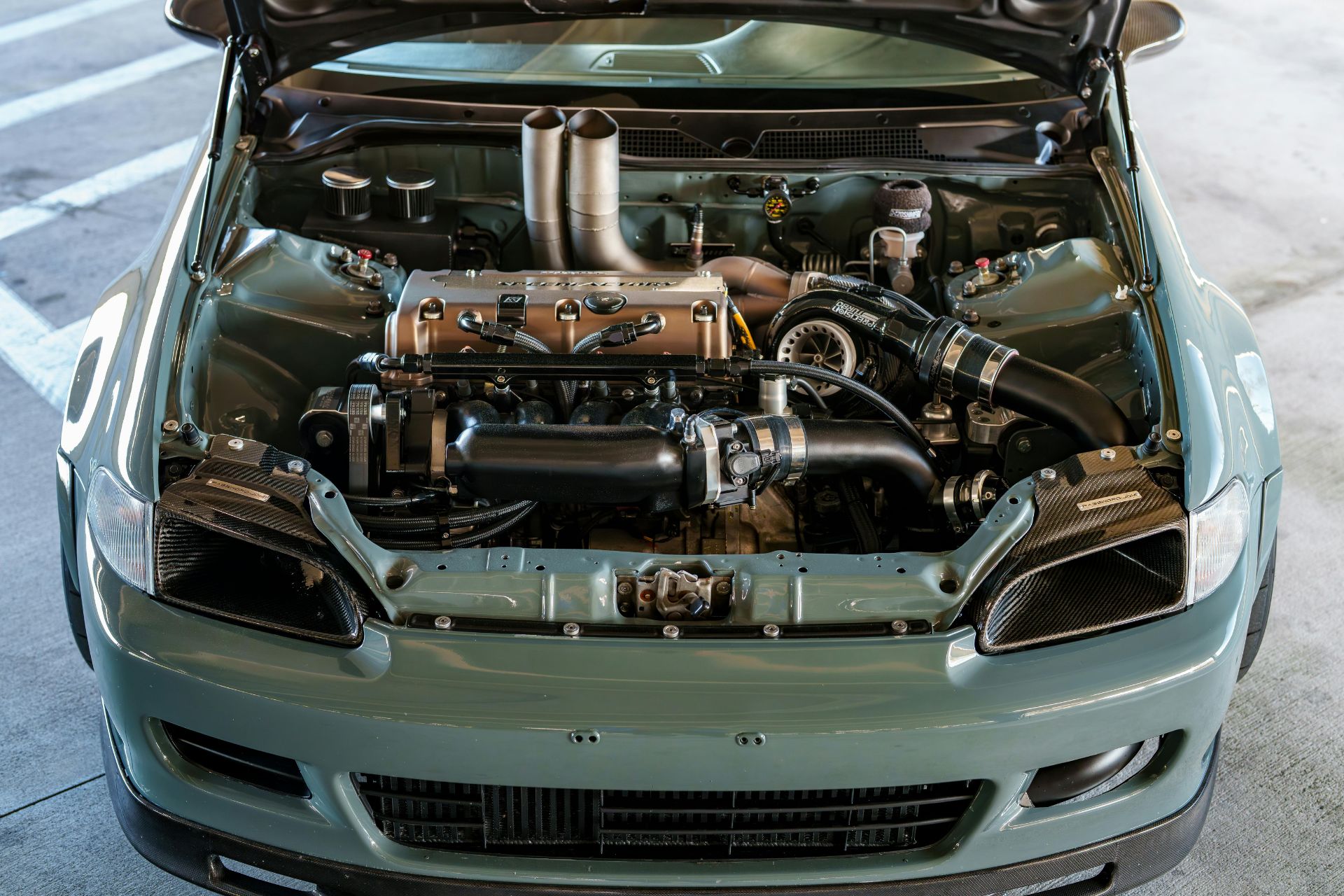
Do Car Engines Need to Be Cleaned?
Yes, car engines can benefit from occasional cleaning, but cleaning is generally a maintenance choice rather than a mandatory service.
An engine does not need to look showroom-new to operate correctly. A moderate layer of dust on an engine cover or surrounding components usually does not affect performance. Problems become more relevant when contamination becomes excessive or when oil and other fluids accumulate in places where they can hide leaks, retain debris, or contribute to unpleasant odors.
There is also an important distinction between cleaning an engine and repairing an engine. Washing away dirt does not correct worn seals, damaged gaskets, overheating, poor lubrication, or other mechanical problems.
Engine cleaning therefore makes the most sense when it serves a practical purpose. For example, if an engine compartment is covered with oil residue, cleaning can make it much easier to determine where a leak originates.
Why Do Car Engines Get Dirty?
The engine compartment is exposed to a surprising range of contaminants.
Air entering through the front of the vehicle can carry dust and fine particles. Road spray can introduce mud, salt, moisture, and other debris. Oil or coolant leaks can leave deposits on nearby components. Older vehicles may also develop accumulated grease around hoses, brackets, and other areas.
Some common sources of engine-bay contamination include:
- Road dust and dirt
- Mud and water spray
- Oil residue
- Grease
- Coolant deposits
- Leaves and organic debris
- Salt from treated roads
- Fine particles from normal vehicle use
- Fluid residue from previous maintenance
The amount of contamination varies considerably. A vehicle that regularly travels on paved roads in dry conditions may have a relatively clean engine compartment, while a truck frequently driven through mud or dusty environments may require more attention.
What Are the Benefits of Cleaning Car Engines?
Engine cleaning is useful primarily because it improves visibility and maintenance conditions rather than because a clean engine automatically produces more power.
Easier Leak Detection
One of the most practical advantages is being able to identify fluid leaks.
A heavily contaminated engine can have old oil or dirt covering the area around a leaking gasket or seal. After appropriate cleaning, fresh fluid may become easier to recognize.
This does not mean cleaning itself fixes the leak. Instead, it can make an existing problem more visible.
Better Visual Inspection
A clean engine compartment allows technicians and vehicle owners to inspect components more easily.
Hoses, wiring, belts, connectors, clamps, and fluid reservoirs may be easier to see when they are not covered with thick layers of grime.
This can be particularly helpful during routine maintenance or before purchasing a used vehicle.
Reduced Accumulation of Grime
Removing excessive grease and oily residue can prevent additional dirt from sticking to contaminated surfaces.
Oil-covered areas tend to collect dust and road particles more readily than relatively clean surfaces. Periodic cleaning can therefore help prevent a small amount of contamination from becoming a thick buildup.
Improved Appearance
For many owners, appearance is also a legitimate reason to clean the engine bay.
A tidy engine compartment can make an older vehicle look better during detailing or preparation for sale. It may also demonstrate that the vehicle has received regular attention, although cleanliness alone should never be considered proof of mechanical condition.
Easier Maintenance Work
Working around clean components is generally more convenient.
When technicians need to access a component, heavy deposits can make tools, fasteners, and surrounding parts more difficult to handle. Cleaning can improve visibility and reduce the amount of dirt encountered during maintenance.
Does Cleaning a Car Engine Improve Performance?
This is one area where expectations should remain realistic.
Simply removing surface dirt from an engine does not normally create a noticeable increase in horsepower. Car Engines are not like clogged air filters where removing an obstruction can directly restore airflow.
If an engine is extremely dirty, cleaning may help with inspection and maintenance, but it should not be marketed as a performance upgrade.
Engine performance is influenced by factors such as:
- Fuel delivery
- Air intake
- Ignition
- Compression
- Lubrication
- Cooling
- Exhaust flow
- Engine management systems
- Mechanical condition
Cleaning the outside of an engine does not directly change these fundamental operating characteristics.
When Should Car Engines Be Cleaned?
There is no single cleaning interval that applies to every vehicle.
Instead, inspect the engine compartment and consider cleaning when there is a practical reason to do so.
After an Oil or Fluid Leak
If oil, coolant, or another fluid has spread across the engine bay, cleaning can help establish a clean baseline after the leak has been repaired.
This is especially useful because continued contamination can make future leaks difficult to distinguish from old residue.
After Off-Road Driving
Vehicles used on dirt roads, construction sites, farms, beaches, or off-road trails can accumulate significantly more debris than ordinary passenger vehicles.
In these circumstances, periodic inspection and careful cleaning may be appropriate.
Before a Detailed Inspection
If a mechanic needs to investigate a suspected leak or inspect components that are obscured by heavy contamination, cleaning may make the diagnostic process easier.
However, avoid cleaning immediately before presenting a vehicle for inspection if the goal is to demonstrate an existing leak. Freshly cleaned surfaces can temporarily hide evidence that would otherwise help a technician diagnose the problem.
When Contamination Becomes Excessive
A light layer of dust is generally different from thick oil, grease, mud, or accumulated debris.
If contamination is visibly heavy, removing it can improve the condition and inspectability of the engine compartment.
How Often Should You Clean Car Engines?
For most ordinary road vehicles, engine-bay cleaning does not need to be performed as frequently as exterior washing.
Some owners may inspect the engine compartment every few months and clean it only when necessary. Others may clean it once or twice a year as part of a larger detailing routine.
The appropriate frequency depends on driving conditions.
| Driving Condition | Possible Cleaning Approach |
|---|---|
| Mostly clean city roads | Occasional inspection |
| Frequent highway driving | Clean when buildup becomes noticeable |
| Dusty roads | More frequent inspection |
| Off-road use | Inspect and clean as needed |
| Construction or agricultural environments | Frequent contamination checks |
| Vehicles with fluid leaks | Clean after repairs when appropriate |
The key principle is simple: condition matters more than the calendar.
How to Safely Clean Car Engines
Cleaning an engine compartment requires more care than washing the exterior of a vehicle.
Modern vehicles contain numerous electrical components, sensors, connectors, control modules, and other parts that should not be treated casually with large amounts of water.
A cautious process can include the following steps.
1. Allow the Engine to Cool
Do not begin by applying cold water to a very hot engine.
Allow the vehicle to cool sufficiently before cleaning. Sudden temperature changes are undesirable, and hot surfaces can also cause water to evaporate quickly and make cleaning less controlled.
2. Remove Loose Debris
Before using any liquid, remove leaves, dirt, and loose debris manually or with appropriate low-pressure methods.
This prevents unnecessary mud from forming once moisture is introduced.
3. Protect Sensitive Areas
Identify components that should remain as dry as practical.
Depending on the vehicle, this may include certain electrical connectors, exposed electrical components, intake openings, and other sensitive areas.
Always consider the manufacturer’s instructions because engine-bay layouts vary considerably.
4. Use a Suitable Cleaner
A mild automotive degreaser or engine-safe cleaning product can help break down oily deposits.
Avoid randomly applying household chemicals. Some products can damage plastics, rubber, coatings, painted surfaces, or electrical components.
5. Agitate Contaminated Areas Gently
A soft brush can help loosen stubborn deposits.
There is usually no advantage to attacking components aggressively. Controlled agitation combined with an appropriate cleaner is often preferable to excessive water pressure.
6. Rinse Carefully
If rinsing is necessary, use controlled, low-pressure water rather than directing a powerful pressure washer at sensitive components.
The goal is to remove cleaning residue without forcing water into electrical connections or openings.
7. Dry the Engine Bay
Allow adequate drying time.
A clean microfiber towel can help remove accessible moisture. The engine compartment should not simply be closed while large amounts of water remain around sensitive areas.
8. Check for Problems
Once the area is clean and dry, inspect it carefully.
Look for:
- Fresh oil
- Coolant residue
- Cracked hoses
- Loose clamps
- Damaged wiring
- Corrosion
- Belt problems
- Fluid stains
This final inspection is one of the most useful reasons to clean an engine compartment.
Can You Pressure Wash Car Engines?
Pressure washing is one of the areas that deserves particular caution.
A high-pressure stream can force water into connectors, seals, bearings, sensors, and other locations where moisture may cause trouble. Modern engine compartments contain much more electronics than older vehicles, making indiscriminate pressure washing a poor approach.
If pressure equipment is used, the safest principle is to keep the pressure controlled and avoid directly blasting sensitive components.
For many vehicle owners, a lower-pressure cleaning method is more appropriate.
The exact recommendations can differ between vehicles, so the owner’s manual should take priority over general advice.
What Parts of Car Engines Should You Avoid Getting Wet?
Not every component responds equally to moisture.
Pay particular attention to areas involving electrical connections, electronic control equipment, air-intake openings, exposed sensors, and components that the vehicle manufacturer identifies as sensitive.
The objective is not necessarily to keep every square inch completely dry. Rather, it is to avoid unnecessary water intrusion into locations where moisture could create an electrical or mechanical problem.
If you are uncertain about a particular component, consult the manufacturer’s maintenance documentation or a qualified technician.
Common Mistakes When Cleaning Car Engines
A poorly planned cleaning can cause more problems than it solves.
Using Excessive Water
More water does not automatically mean better cleaning. Large amounts of water can make drying more difficult and increase the chance of moisture reaching sensitive areas.
Using High Pressure Too Close
Pressure washers can be useful for many automotive tasks, but the engine compartment requires restraint.
A concentrated high-pressure stream can damage or displace components and force moisture into areas that were not designed for direct exposure.
Cleaning a Hot Engine
Applying cold water to a very hot engine is unnecessary and can create undesirable thermal stress.
Waiting until the engine has cooled is a simple precaution.
Using Harsh Household Chemicals
Strong solvents or unsuitable cleaners may damage rubber, plastic, coatings, and other materials.
Products should be selected for automotive use and applied according to their instructions.
Ignoring the Cause of Oil Buildup
If an engine is repeatedly covered with oil, washing it over and over does not address the underlying problem.
Persistent oil contamination should prompt an inspection for possible leaks.
Starting the Vehicle Before Everything Is Ready
After cleaning, give the engine compartment sufficient time to dry and verify that sensitive areas are not holding water.
If the vehicle behaves abnormally after cleaning, stop and investigate rather than repeatedly attempting to start it.
Is Engine Bay Cleaning Necessary for Older Cars?
Older vehicles can benefit from careful engine-bay cleaning, particularly when accumulated grease makes inspections difficult.
However, older vehicles may also contain aging wiring insulation, rubber seals, connectors, and other components that deserve additional caution.
A decades-old engine should not automatically be treated like a newer vehicle simply because both are gasoline-powered.
Before cleaning an older car, consider its condition and construction. If wiring appears brittle or electrical components are exposed, professional cleaning may be preferable.
Should You Clean Car Engines Before Selling a Vehicle?
A clean engine compartment can improve presentation, but there is a distinction between responsible detailing and concealing mechanical problems.
Removing ordinary dirt and accumulated grime can make a vehicle easier to inspect. However, using cleaning primarily to hide an active leak or other defect is not a substitute for repair and can create problems during a buyer’s inspection.
A better approach is to clean the engine bay appropriately, repair known problems, and be transparent about the vehicle’s maintenance history.
Engine Cleaning vs. Engine Maintenance
These terms should not be confused.
Engine cleaning primarily concerns removing external contamination.
Engine maintenance involves procedures designed to preserve or restore mechanical operation.
Maintenance can include:
- Oil and filter changes
- Coolant service
- Spark plug replacement
- Air-filter replacement
- Belt inspection
- Hose inspection
- Battery checks
- Diagnostic testing
- Scheduled manufacturer services
A clean engine can be easier to inspect, but cleanliness cannot replace proper maintenance.
Can a Dirty Engine Cause Overheating?
A dirty engine compartment does not automatically mean the vehicle will overheat.
However, excessive contamination can sometimes interfere with inspection or contribute to conditions that deserve attention. For example, debris around cooling components may reduce airflow, while oil accumulation can complicate the diagnosis of other issues.
Overheating should never be treated simply by washing the engine.
If the temperature gauge rises abnormally, coolant is disappearing, steam appears, or the vehicle repeatedly overheats, the cooling system should be properly diagnosed.
What About Steam Cleaning Car Engines?
Steam cleaning can remove grease and deposits while using less liquid water than conventional washing methods.
Nevertheless, steam is still heat and moisture. It should not be directed carelessly at electrical connectors, sensitive electronics, seals, or other vulnerable components.
Professional detailers may use specialized equipment and techniques for engine-bay cleaning, but the method should always be appropriate for the specific vehicle.
Signs That Your Engine Bay Needs Attention
A visual inspection can help determine whether cleaning is worthwhile.
Look for:
- Thick layers of oily grime
- Mud or road debris
- Leaves accumulating around the engine bay
- Coolant residue
- Oil stains
- Heavy dust buildup
- Difficult-to-see components
- Debris obstructing inspection areas
A small amount of dust alone is usually not a reason to perform an extensive engine wash.
A Practical Engine Cleaning Checklist
Before cleaning car engines, use this simple checklist:
Before cleaning
- Read the vehicle manufacturer’s guidance.
- Allow the engine to cool.
- Remove loose debris.
- Identify sensitive electrical components.
- Choose an appropriate automotive cleaner.
During cleaning
- Use controlled amounts of water.
- Avoid aggressive pressure.
- Keep sensitive openings protected.
- Work in manageable sections.
- Do not use unsuitable chemicals.
After cleaning
- Remove excess moisture.
- Allow sufficient drying time.
- Inspect for leaks and damage.
- Confirm that electrical components are dry.
- Start and monitor the vehicle carefully.
This approach focuses on controlled cleaning rather than maximum water or chemical exposure.
Frequently Asked Questions About Car Engines
Do car engines need to be cleaned regularly?
Not necessarily. There is no universal cleaning schedule for every vehicle. Engine-bay cleaning should generally be based on contamination, driving conditions, inspection needs, and the manufacturer’s recommendations.
Can washing an engine damage it?
Yes, improper cleaning can create problems. Excessive water, high-pressure spraying, or moisture entering sensitive electrical components can potentially cause issues.
Does a clean engine run better?
External cleaning does not normally provide a direct performance increase. Its main benefits are improved cleanliness, visibility, inspection, and maintenance access.
Can I clean my engine with a garden hose?
A controlled, cautious approach may be possible for some vehicles, but the manufacturer’s instructions should take priority. Avoid flooding sensitive electrical components and use only as much water as necessary.
Should I clean an engine with oil on it?
If oil contamination is substantial, cleaning can make leak detection easier. However, persistent oil buildup should be investigated to identify and repair the source.
Is engine cleaning part of normal car maintenance?
It can be considered supplementary maintenance or detailing, but it is not equivalent to essential services such as oil changes, fluid replacement, filter replacement, and scheduled inspections.
How long should an engine dry after cleaning?
Drying time depends on the cleaning method, weather, ventilation, and vehicle design. The important principle is to ensure moisture has been adequately removed from sensitive areas before normal operation.
Should I clean car engines before an inspection?
It depends on the purpose of the inspection. Cleaning can improve visibility, but if a mechanic needs to identify an active leak, existing residue may provide useful diagnostic evidence.
Final Thoughts
So, do car engines need to be cleaned? In many cases, occasional cleaning can be useful, particularly when an engine compartment has accumulated heavy oil, grease, mud, dust, or debris. The biggest advantages are improved visibility, easier leak detection, better access during maintenance, and a cleaner overall vehicle.
However, cleaning should never become an unnecessary ritual or substitute for mechanical maintenance. The safest approach is to clean according to the vehicle’s condition and manufacturer guidance, use appropriate automotive products, avoid excessive water and pressure, and give sensitive components adequate protection and drying time.
Ultimately, car engines do not need to be perfectly spotless to work properly. What matters most is keeping the engine mechanically maintained while using sensible cleaning practices whenever contamination begins to interfere with inspection, maintenance, or the overall condition of the engine bay.